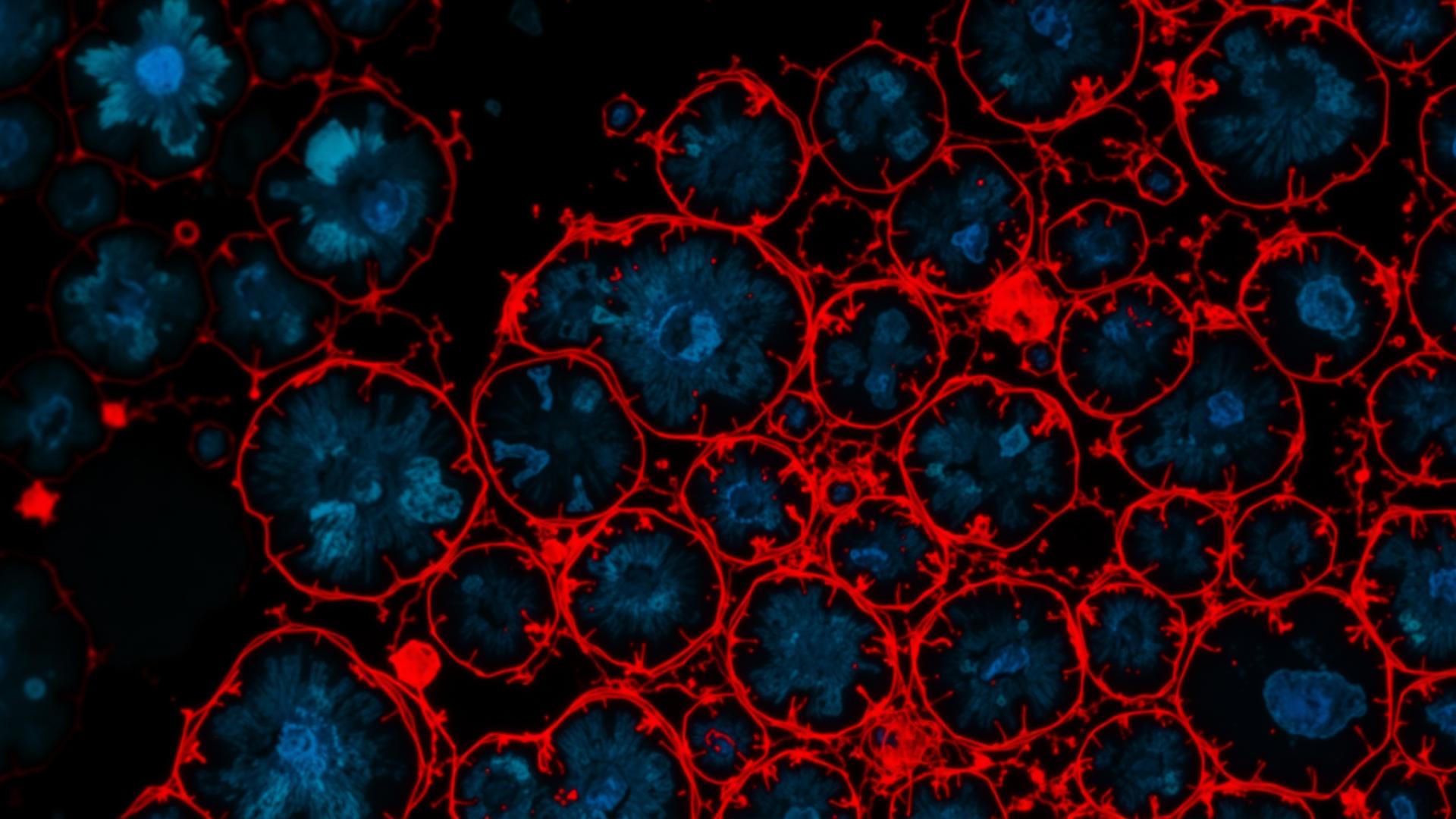
Multiplex immunofluorescence staining of human tissue

Anniversary page · 20 years

Human Protein Atlas Voices: 20 years of validated antibodies, reproducible science and global impact

For 20 years, Atlas Antibodies has helped researchers build on the Human Protein Atlas by making HPA-derived, carefully validated antibodies available to the global scientific community. From mapping the human proteome and visualizing proteins in tissues and cells, to enabling neuroscience, biomarker discovery, affinity proteomics and AI-powered cell biology, these tools have helped turn ambitious scientific infrastructure into reproducible research in labs around the world.

A letter from the founder

Mathias Uhlén

“An important part of the Human Protein Atlas effort is to provide a knowledge base for the research community, allowing scientists around the world to explore the building blocks of life — the proteins — and their presence and location in different human tissues and cells. Thanks to our sponsor, the non-profit Knut and Alice Wallenberg Foundation, the millions of webpages and corresponding bioimages are freely available to the community without restrictions.

This data is accompanied by validation data for each antibody generated and used in the project. The mission of Atlas Antibodies is to make these validated antibodies available beyond the original project, allowing scientists worldwide to access highly validated reagents for their own research. So far, this has led to many thousands of peer-reviewed scientific articles from external groups using HPA antibodies during these 20 years.

This demonstrates the continued need for trusted research tools in fields such as spatial biology and precision medicine. I am proud and grateful to the Human Protein Atlas team for their dedication to generating high-quality data and presenting it in an open science manner.”

— Mathias Uhlén

Voices from the Human Protein Atlas

Researchers on what validated antibodies made possible

Portrait of Mathias Uhlén

Mapping the proteome

Protein-specific antibodies made the proteome visible

Mathias Uhlén

Professor, KTH Royal Institute of Technology; Director and Founder of the Human Protein Atlas; Founding Director of SciLifeLab

Protein-specific antibodies made it possible to turn the human proteome into something researchers could see, map and explore.

The vision was a comprehensive Protein Atlas — a public map of where all human proteins are expressed in normal and disease tissues.

Portrait of Fredrik Pontén

Tissue profiling

Showing where proteins are expressed

Fredrik Pontén

Professor of Pathology, Uppsala University; co-founder, Vice-Program and Clinical Director of the Human Protein Atlas; senior physician and specialist in Anatomical Pathology

A protein atlas must show not only that a protein is present, but where it is expressed — in tissues, cells and disease.

Validated antibodies and expert pathology turned protein expression into images researchers could trust.

Portrait of Cecilia Lindskog

Spatial cancer biology

Mapping tumour biology in spatial context

Cecilia Lindskog

Associate Professor, Department of Immunology, Genetics and Pathology, Uppsala University; Head of the Tissue Atlas at the Human Protein Atlas

HPA antibodies help us map tumour biology in its spatial context — showing which proteins are expressed, in which cells, and where they are located in the tissue.

For heterogeneous tumours like high-grade serous ovarian cancer, spatial protein mapping is crucial to understand the tumour microenvironment and identify clinically relevant biomarkers.

Portrait of Jan Mulder

Neuroscience

Seeing low-abundance proteins in the brain

Jan Mulder

Neurobiologist and researcher, Karolinska Institutet; Human Protein Atlas brain profiling contributor since 2004; group leader in molecular mapping of the nervous system

In the brain, where many proteins are low in abundance, HPA antibodies made things visible that we otherwise could not show.

Atlas Antibodies has kept the Human Protein Atlas DNA — not only in the products, but in how the data is shown.

Portrait of Anna Månberg

Biomarker discovery

Antibodies as hooks for disease-relevant patterns

Anna Månberg

Researcher and docent in Neuroproteomics, KTH Royal Institute of Technology and SciLifeLab; affiliated with the Human Protein Atlas

HPA antibodies act as hooks, allowing us to capture brain-derived proteins from spinal fluid and reveal disease-relevant patterns.

Because HPA antibodies are part of a systematic public resource, they add confidence to how we interpret biomarker data.

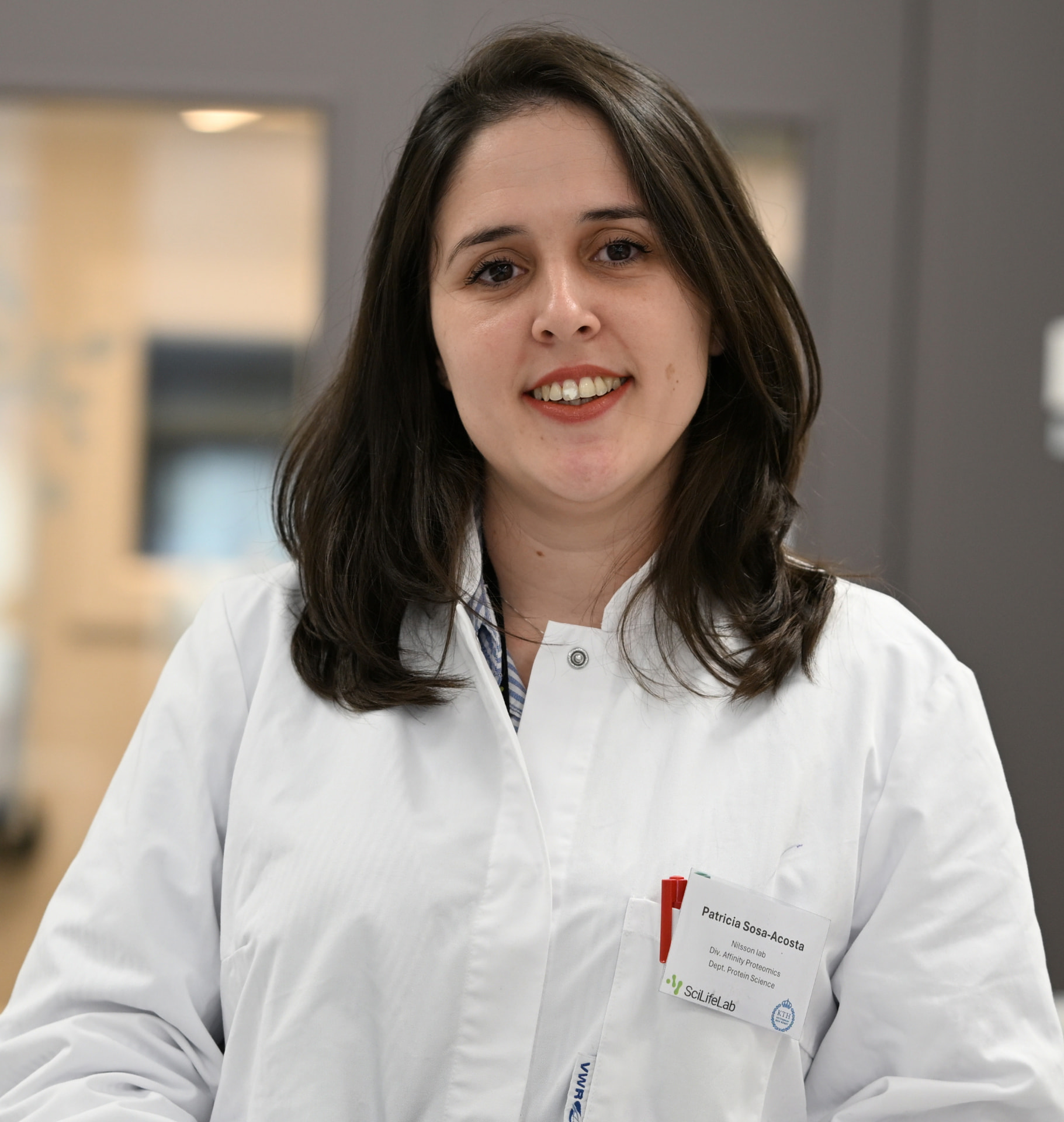
Portrait of Patricia Sosa Acosta

Next generation research

Connecting localization, tissue specificity and proteomics

Patricia Sosa Acosta

SciLifeLab PULSE Postdoctoral Fellow, Department of Protein Science, KTH Royal Institute of Technology and SciLifeLab

The Human Protein Atlas helped me connect protein localization, tissue specificity and experimental proteomics in one place.

Now I can use HPA antibodies and antigens to profile proteins and autoantibodies in patient plasma.

Portrait of Mihnea-Paul DragomirPortrait of Fabian Coscia

Research spotlight

From spatial proteomics to tissue validation

Mihnea-Paul Dragomir and Fabian Coscia

Charité / Berlin Institute of Health / DKTK and Max Delbrück Center for Molecular Medicine

“Knowing which antibody is most suitable and what staining pattern to expect saves time and makes it possible to focus on biological discoveries.”
Read the research spotlight

Explore HPA-derived antibodies from Atlas Antibodies, view antibody validation data, or visit the Human Protein Atlas to explore protein expression in tissues and cells.